The Three Main Steps for Designing a Cut-Flower Garden
You’re ready to get to work growing cut flowers. Great! But before you put a single seed in the ground, it’s important to have a plan in place. Gardening without a vision will lead to a lot of wasted effort, and it will mean you’ll do some tasks twice because you got it wrong the first time.
So, take the time to design your garden beforehand, and you’ll reap the rewards of your effort throughout the growing season. Here are the steps you should follow.
1. Pick a Garden Space
Before you can determine what cut flowers to grow, you need to look at the garden space. How many square meters are you working with? Does the area get full sun, or is it partially shaded? Is the soil nutrient-rich and well-drained?
Consider getting a soil test in the months before planting so you can determine what it might be deficient in and what amendments are necessary to improve things.
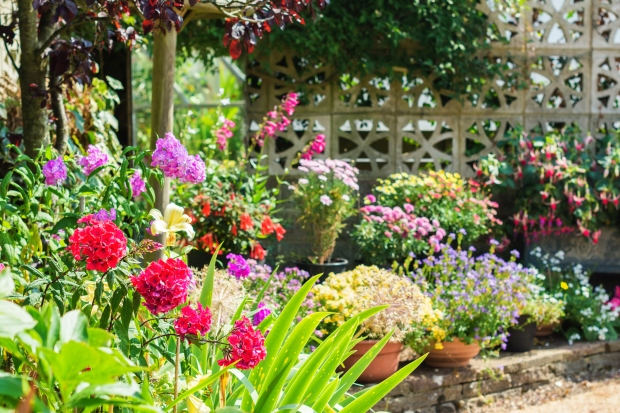
If you already have a vegetable garden, consider turning one or two rows into flowers so you can take advantage of space that’s already established.
Note: While some people prefer to grow cut flowers directly in the ground, others use raised beds or even flowerpots when their soil isn’t suitable. Be willing to get creative to find enough planting space for your flower goals.
2. Choose Your (Number of) Varieties
First-time flower gardeners will feel tempted to go crazy and purchase seeds from every pretty variety in the seed catalog. That’s a recipe for getting overwhelmed fast and giving up on cut flowers altogether before you can master any of them. We’ll talk more about which varieties to choose in a later chapter, but for now, plan to choose six types or fewer for your first year.
3. Create a Planting Plan
Tempting as it may be to scatter seeds wherever convenient, the best cut flower gardens require a planting plan. This lets you determine how many plants you can fit in your space in order to maximize the harvest.
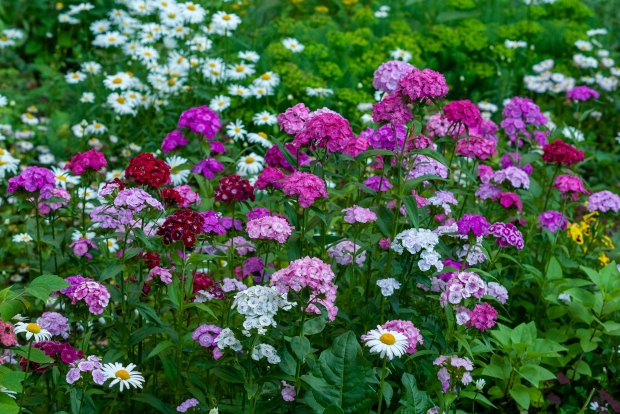
Use a grid to set up the plan and pay attention to each plant’s mature height and width. A general rule is to look at the spacing requirements on each seed packet and reduce them by 30% for denser plantings. Remember: The closer the flowers are planted together, the less space for weeds to grow!
Unlike regular flower gardens, the goal of a cut-flower garden is efficiency, not beauty. Make decisions around minimizing maintenance, including large, easy-to-access paths lined with mulch or landscaping fabric to suppress weed growth.
It’s also usually best to keep plants of the same type together, meaning you should plant perennials with other perennials and keep the plants that need staking or trellising together.
Once your grid is complete, you can superimpose it on your actual planting space for a precise planting guide.